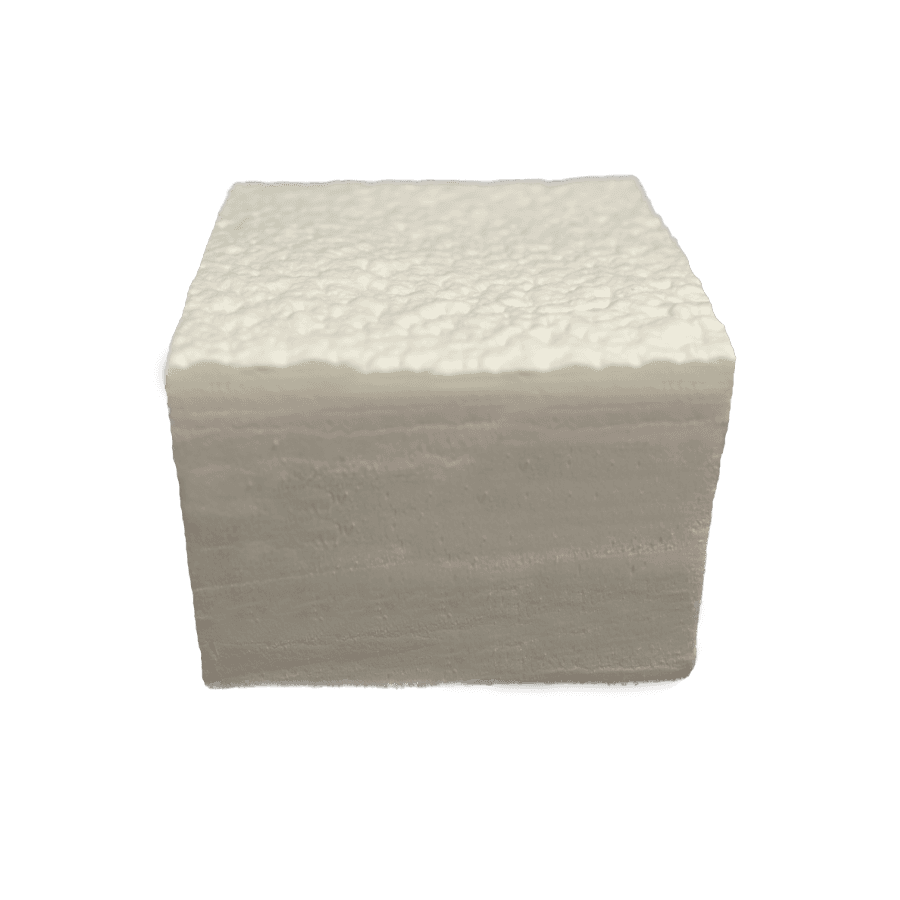
Spray foam insulation is a two-component polyurethane system that expands on contact to completely fill cavities, gaps, and irregular voids. As it cures, it forms a continuous, fully adhered layer that combines thermal insulation and air sealing in a single application. Unlike traditional batt or blown insulation, spray foam bonds directly to framing, sheathing, and slab surfaces, creating a monolithic barrier that significantly reduces air infiltration, limits thermal bridging, and controls moisture migration throughout the building envelope. This results in predictable, code-compliant performance, improved energy efficiency, and enhanced long-term durability of walls, roofs, and slabs.
Spray foam insulation is a two-component polyurethane system that expands on contact to completely fill cavities, gaps, and irregular voids. As it cures, it forms a continuous, fully adhered layer that combines thermal insulation and air sealing in a single application. Unlike traditional batt or blown insulation, spray foam bonds directly to framing, sheathing, and slab surfaces, creating a monolithic barrier that significantly reduces air infiltration, limits thermal bridging, and controls moisture migration throughout the building envelope. This results in predictable, code-compliant performance, improved energy efficiency, and enhanced long-term durability of walls, roofs, and slabs.
Health & Comfort
Maintains consistent indoor temperature and seals out drafts, reducing allergens and improving indoor air quality for occupants.
Environment & Sustainability
Reduces energy use and carbon footprint by cutting heating and cooling demand, helping projects meet sustainability goals.
Performance & Efficiency
Installs in a single step while providing continuous insulation and air sealing, saving time and labor on every assembly.
Durability & Weatherization
Bonds to walls, roofs, and slabs, resisting moisture and structural movement for long-lasting building performance.
Continuous Protection. Maximum Performance.
Continuous Protection. Maximum Performance.
Modern building performance demands more than just insulation, it requires air sealing, moisture control, and thermal efficiency in a single system. Spray polyurethane foam (SPF) delivers all three.Unlike traditional materials, spray foam expands in place, creating a continuous air barrier and high R-value insulation layer that significantly outperforms fiberglass and cellulose in real-world conditions.
Modern building performance demands more than just insulation, it requires air sealing, moisture control, and thermal efficiency in a single system. Spray polyurethane foam (SPF) delivers all three.Unlike traditional materials, spray foam expands in place, creating a continuous air barrier and high R-value insulation layer that significantly outperforms fiberglass and cellulose in real-world conditions.
Performance
NO GAPS. NO WEAK SPOTS
NO GAPS. NO WEAK SPOTS
Thermal Performance
A continuous insulation layer reduces heat transfer and allows assemblies to perform closer to their rated R value under real world conditions.
Air Sealing
Expands in place to seal gaps, penetrations, and transitions, creating a continuous air barrier during installation that reduces uncontrolled air leakage and improves overall building envelope performance.
Moisture Control
Limits moisture migration by reducing air movement and restricting water intrusion within the assembly.
Assembly Strength
Bonds directly to framing and sheathing, adding rigidity and improving overall assembly stability.
Scope
One System From Slab To Roof
One System From Slab To Roof
ICF systems stack and interlock like building blocks, streamlining wall assembly into a fast, efficient process that reduces labor and accelerates project timelines.
ICF systems stack and interlock like building blocks, streamlining wall assembly into a fast, efficient process that reduces labor and accelerates project timelines.
Spray foam is designed to perform under real world conditions, on every build. It expands in place to seal gaps, penetrations, and transitions, creating a continuous air barrier that reduces uncontrolled air leakage. Fully adhered and continuous, it delivers thermal performance closer to its rated value while limiting moisture migration and condensation risk. Bonding directly to framing and sheathing, it adds rigidity and durability to walls and roofs, helping your projects stand the test of time.
Spray foam is designed to perform under real world conditions, on every build. It expands in place to seal gaps, penetrations, and transitions, creating a continuous air barrier that reduces uncontrolled air leakage. Fully adhered and continuous, it delivers thermal performance closer to its rated value while limiting moisture migration and condensation risk. Bonding directly to framing and sheathing, it adds rigidity and durability to walls and roofs, helping your projects stand the test of time.
Under Slab Spray Foam
Under Slab Spray Foam
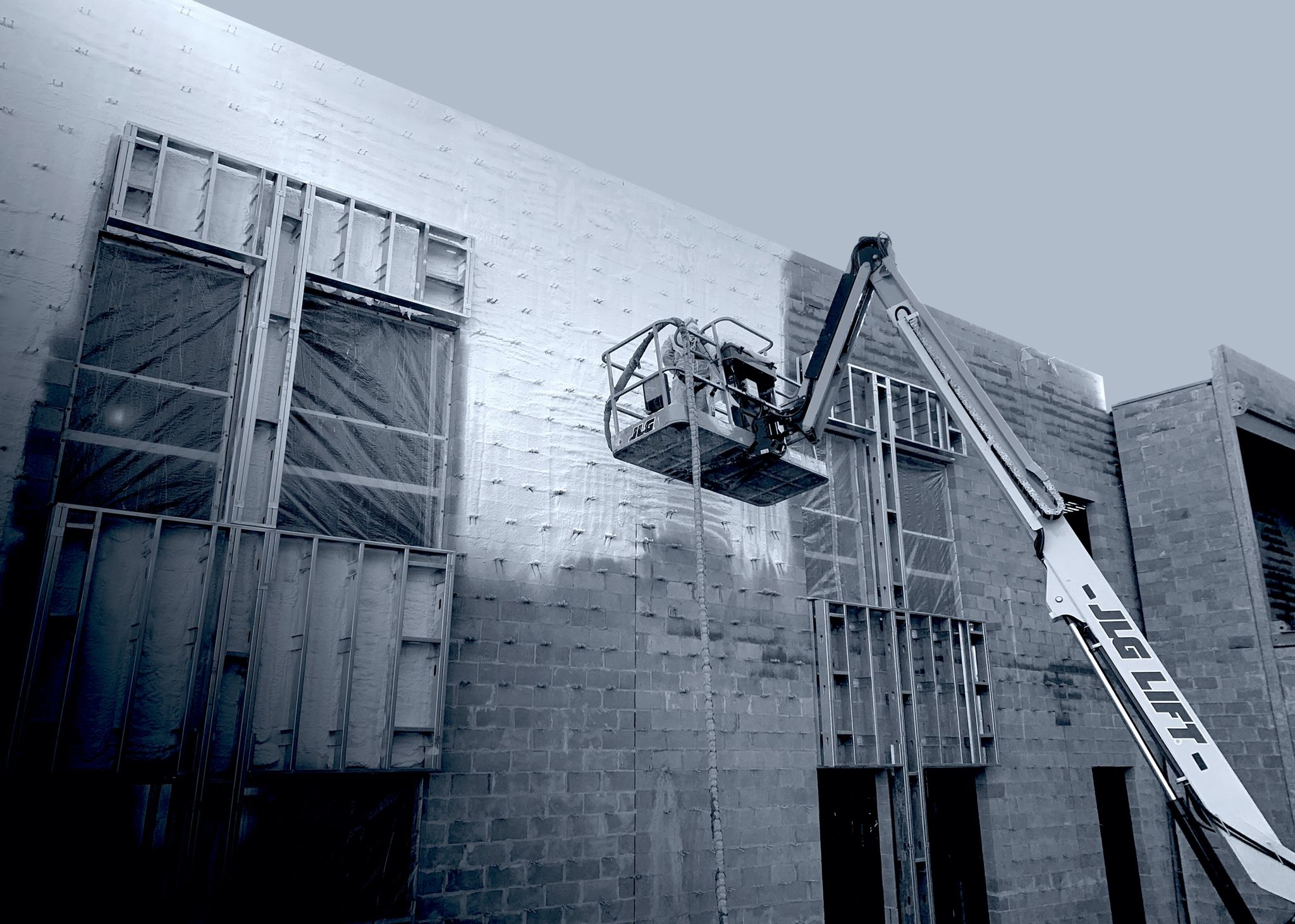
Commercial Exterior
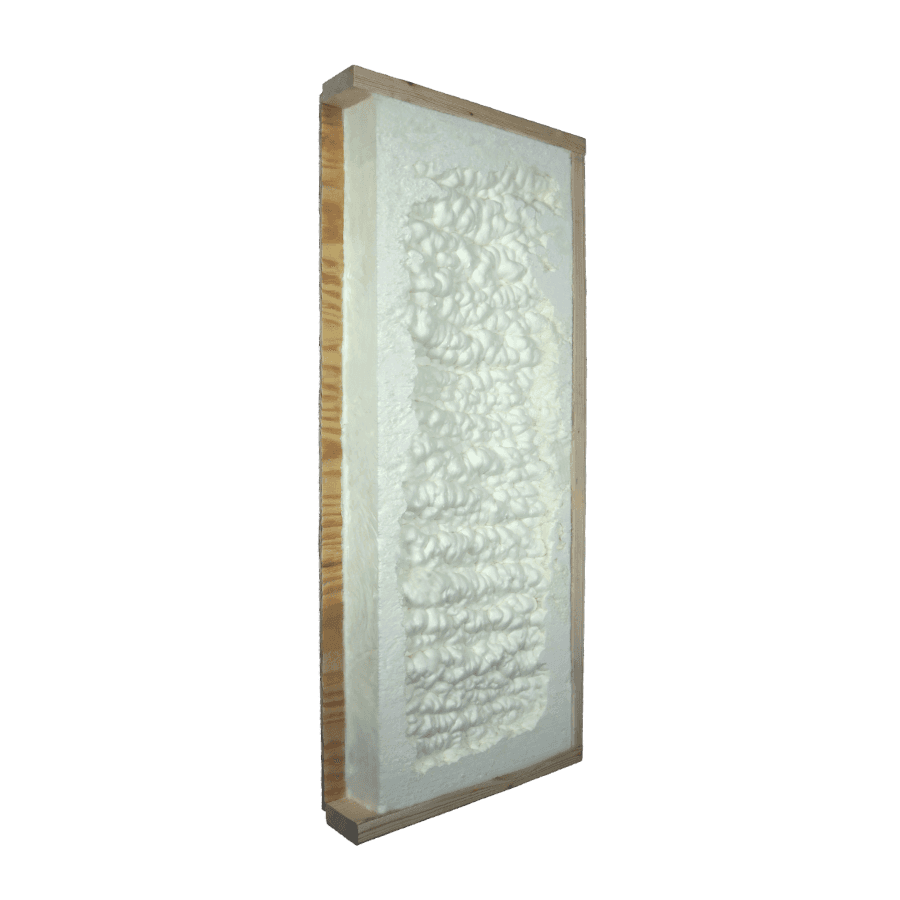
Open-Cell Spray Foam
Open-Cell Spray Foam
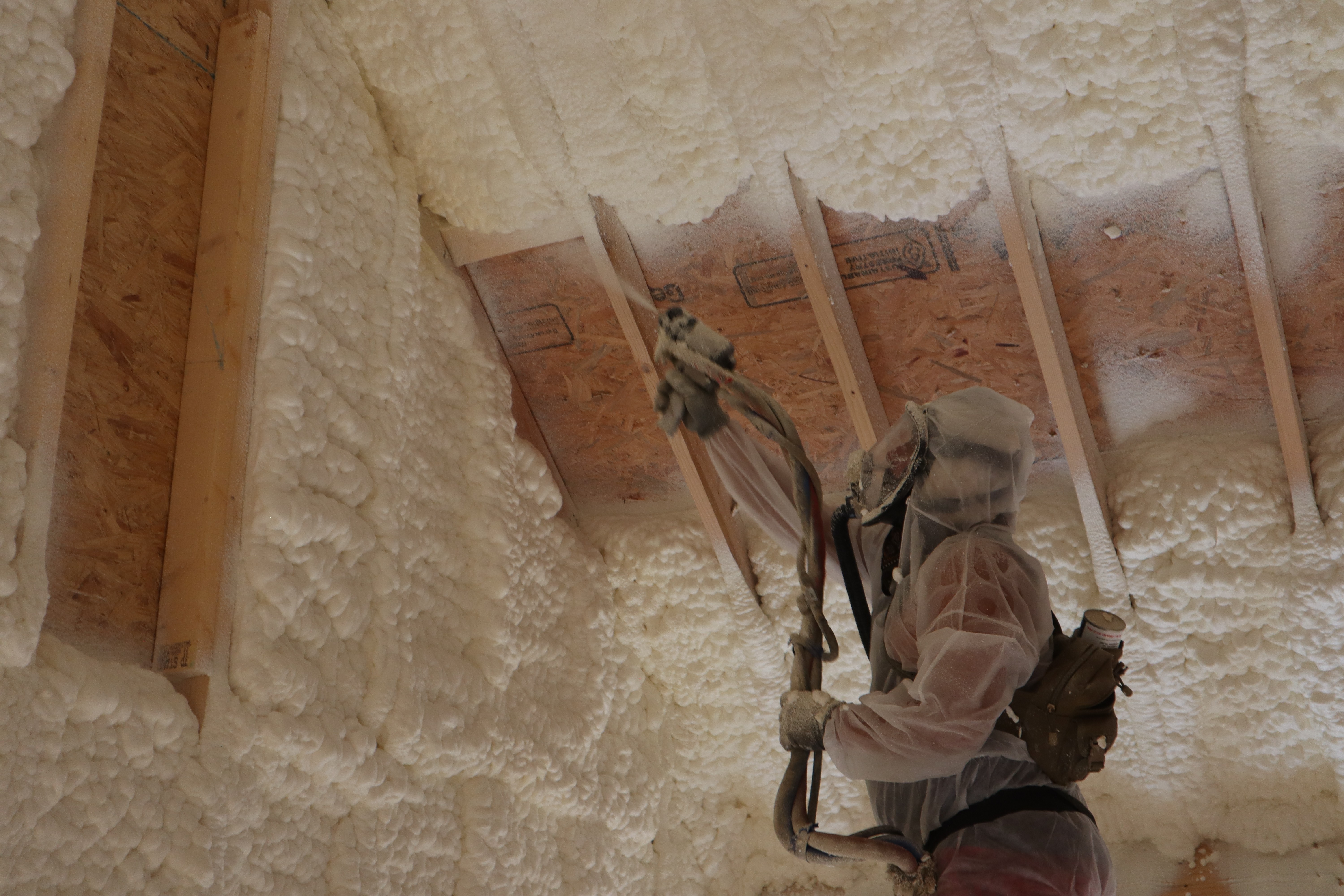
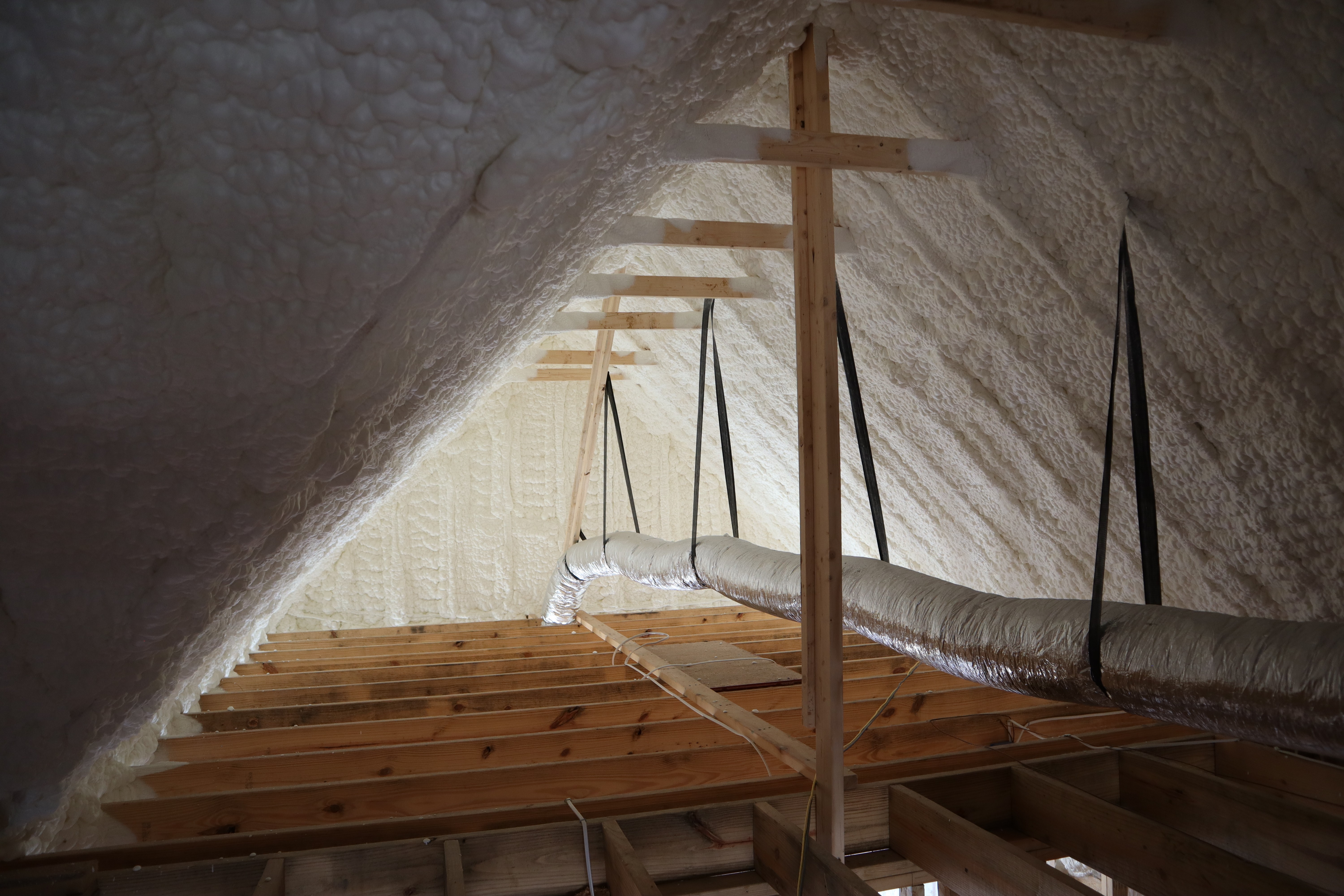
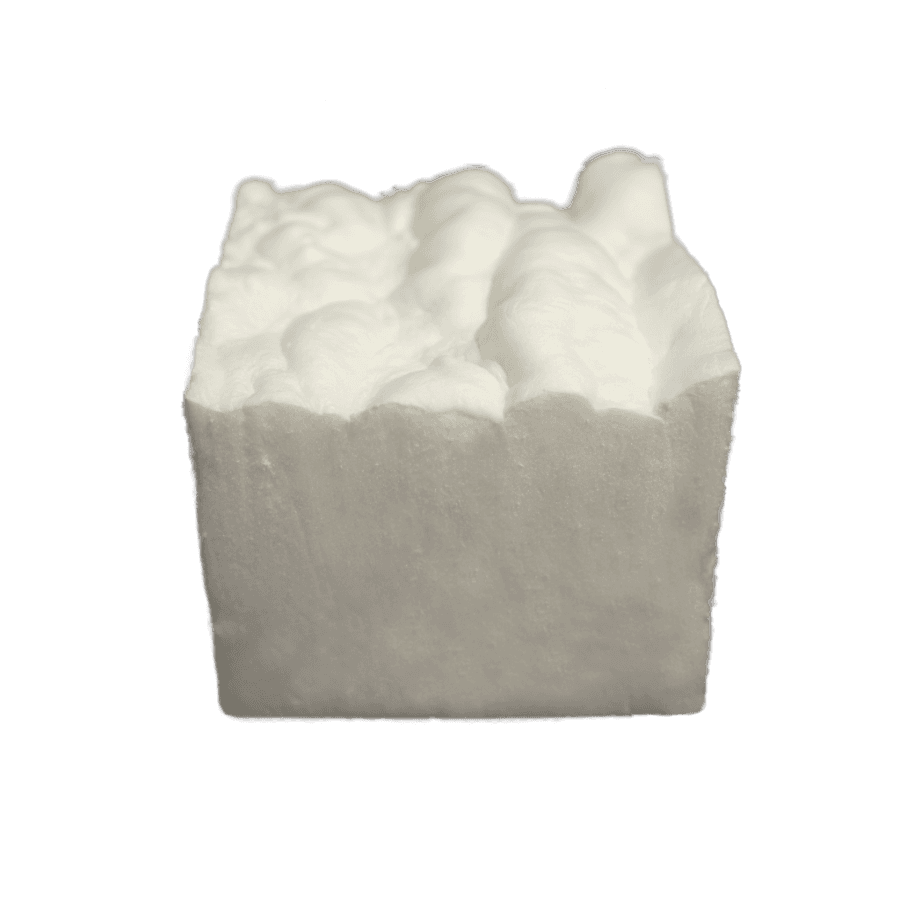
Open cell foam expands up to 100 times its liquid volume to fill cavities completely. Its permeable structure allows vapor diffusion while providing consistent thermal performance and sound dampening. Best suited for interior walls, attics, and interior assemblies where space is ample.
Open cell foam expands up to 100 times its liquid volume to fill cavities completely. Its permeable structure allows vapor diffusion while providing consistent thermal performance and sound dampening. Best suited for interior walls, attics, and interior assemblies where space is ample.
Interior Wall Cavities
Attics
Sound Control
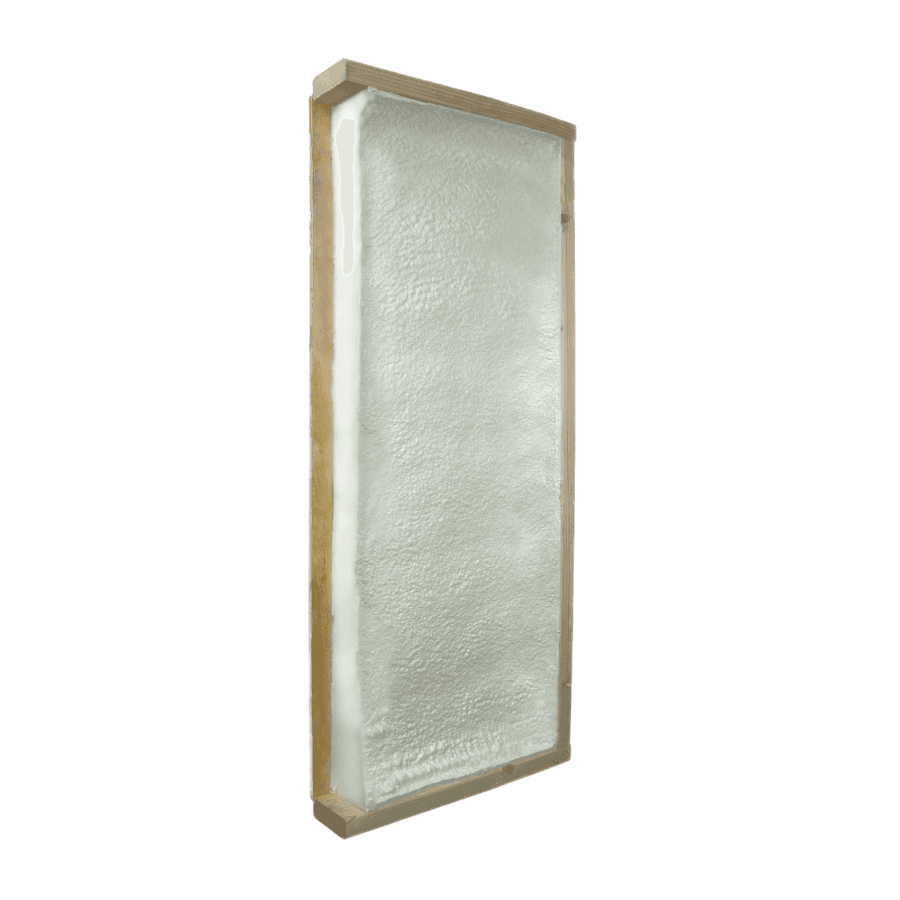
Closed-Cell Spray Foam
Closed-Cell Spray Foam
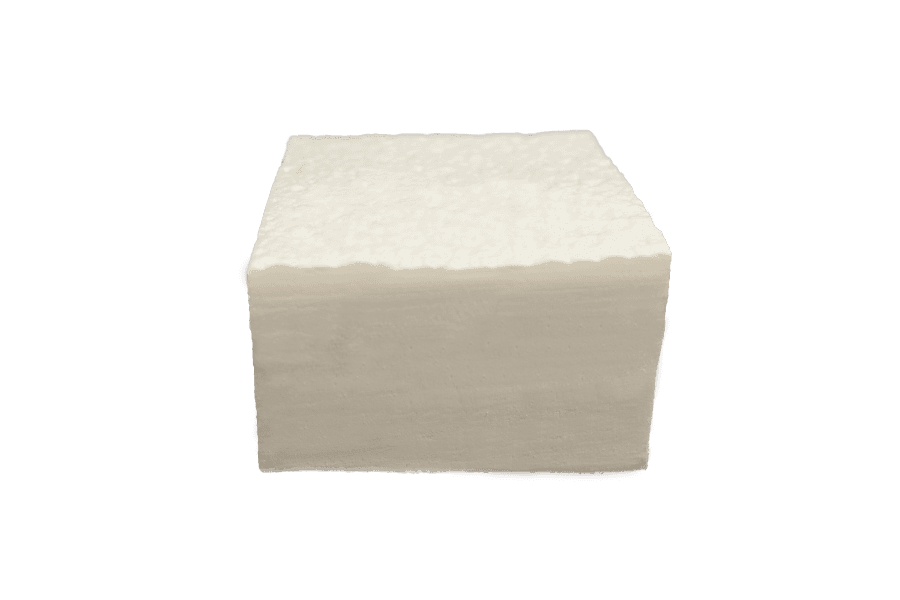
Closed cell foam has high density and R-value, acting as both insulation and vapor retarder. It provides structural reinforcement to walls and roofs, resists water intrusion, and performs reliably in limited cavity depths. Best for exterior walls, basements, crawl spaces, and unvented roof assemblies.
Closed cell foam has high density and R-value, acting as both insulation and vapor retarder. It provides structural reinforcement to walls and roofs, resists water intrusion, and performs reliably in limited cavity depths. Best for exterior walls, basements, crawl spaces, and unvented roof assemblies.
Exterior Walls
Crawlspace & Basements
Unvented Roof Systems
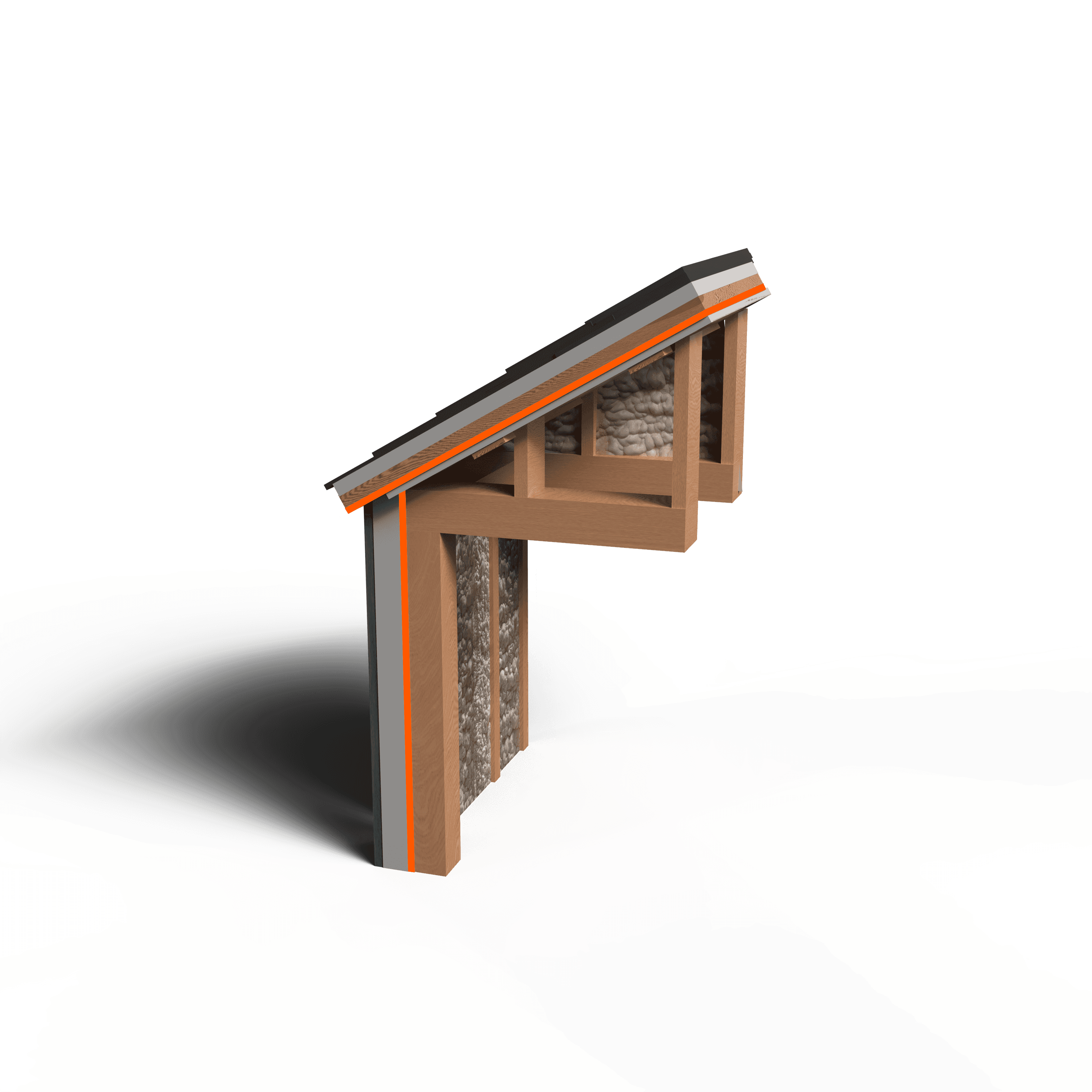
Roofing Spray Foam
Roofing Spray Foam
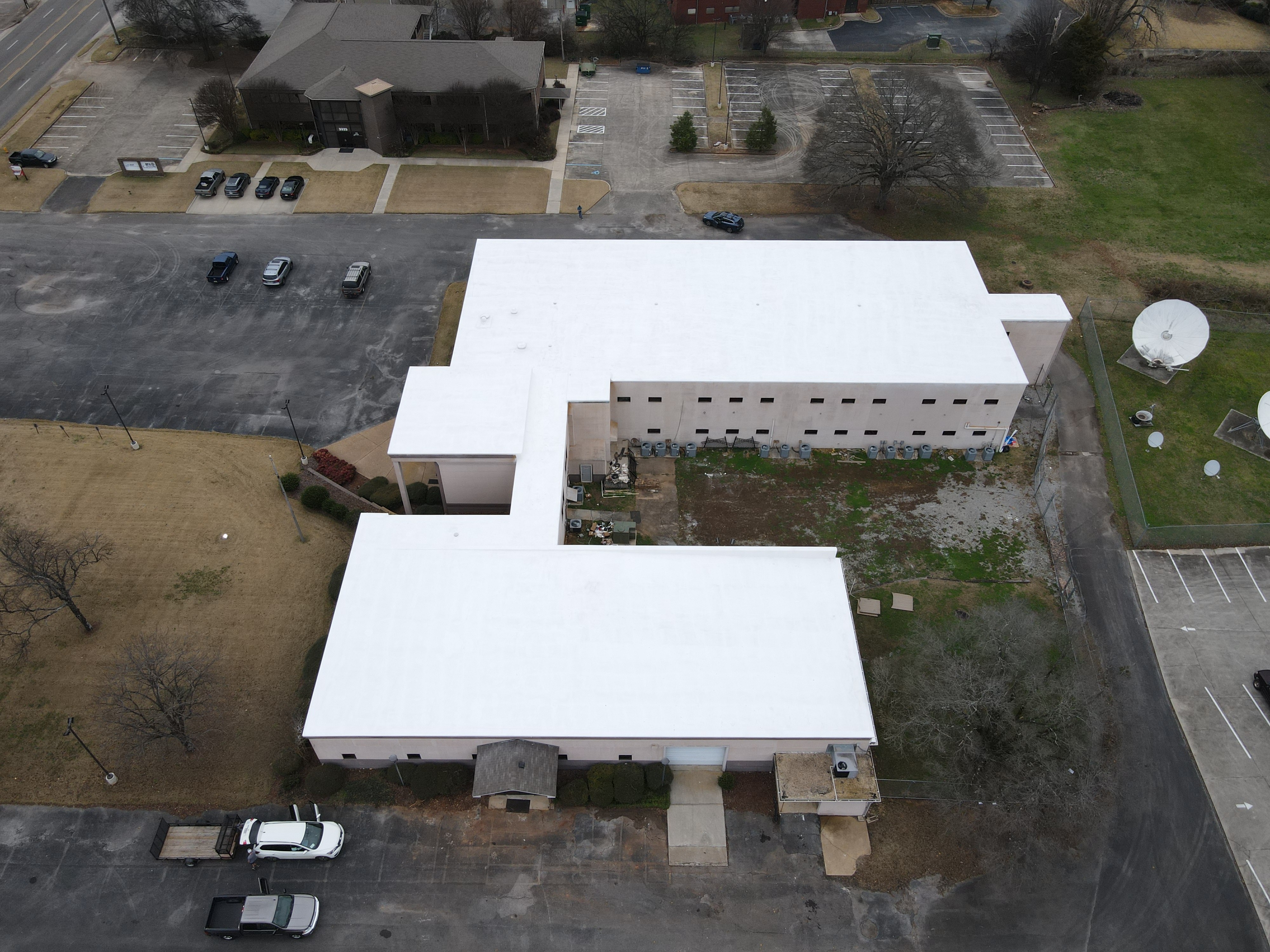
Applied directly to roof decks, spray foam eliminates seams and weak points. Provides continuous insulation, moisture control, and structural enhancement. Compatible with unvented and ventilated assemblies, it improves energy performance and roof longevity.
Applied directly to roof decks, spray foam eliminates seams and weak points. Provides continuous insulation, moisture control, and structural enhancement. Compatible with unvented and ventilated assemblies, it improves energy performance and roof longevity.
Low-slope and pitched roof decks
Retrofits & New build & Basements
Unvented Assemblies
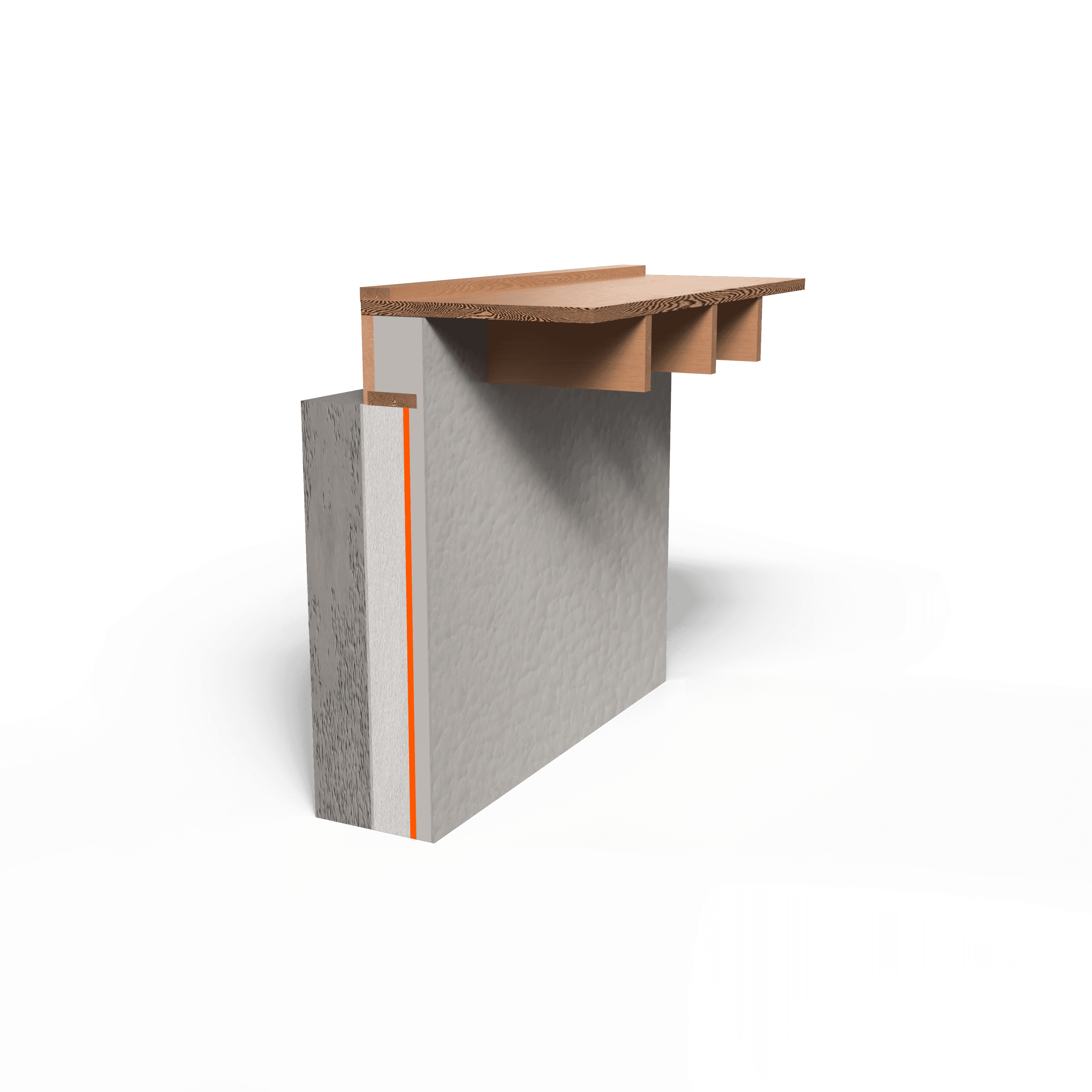
Slab Spray Foam
Slab Spray Foam
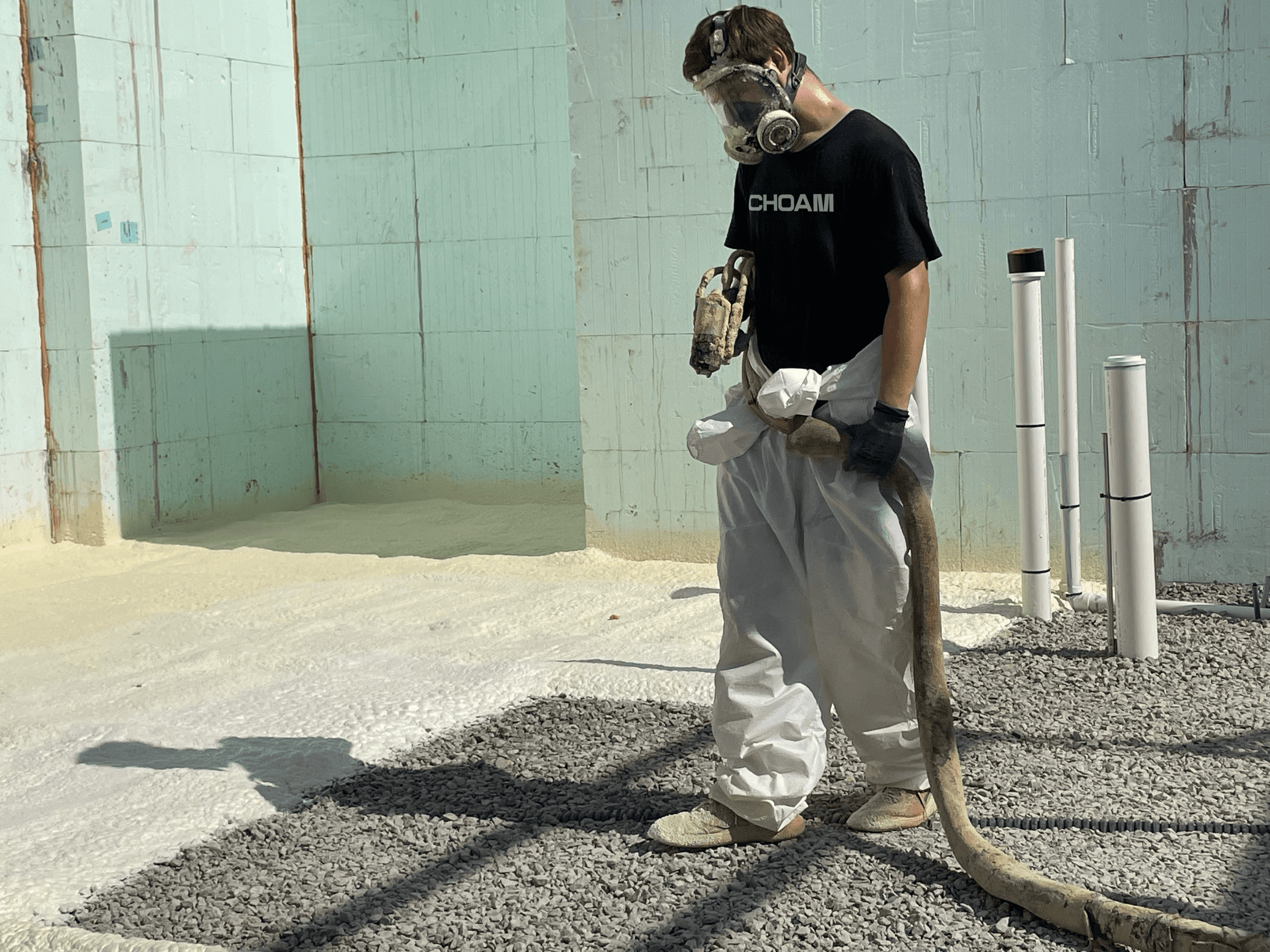
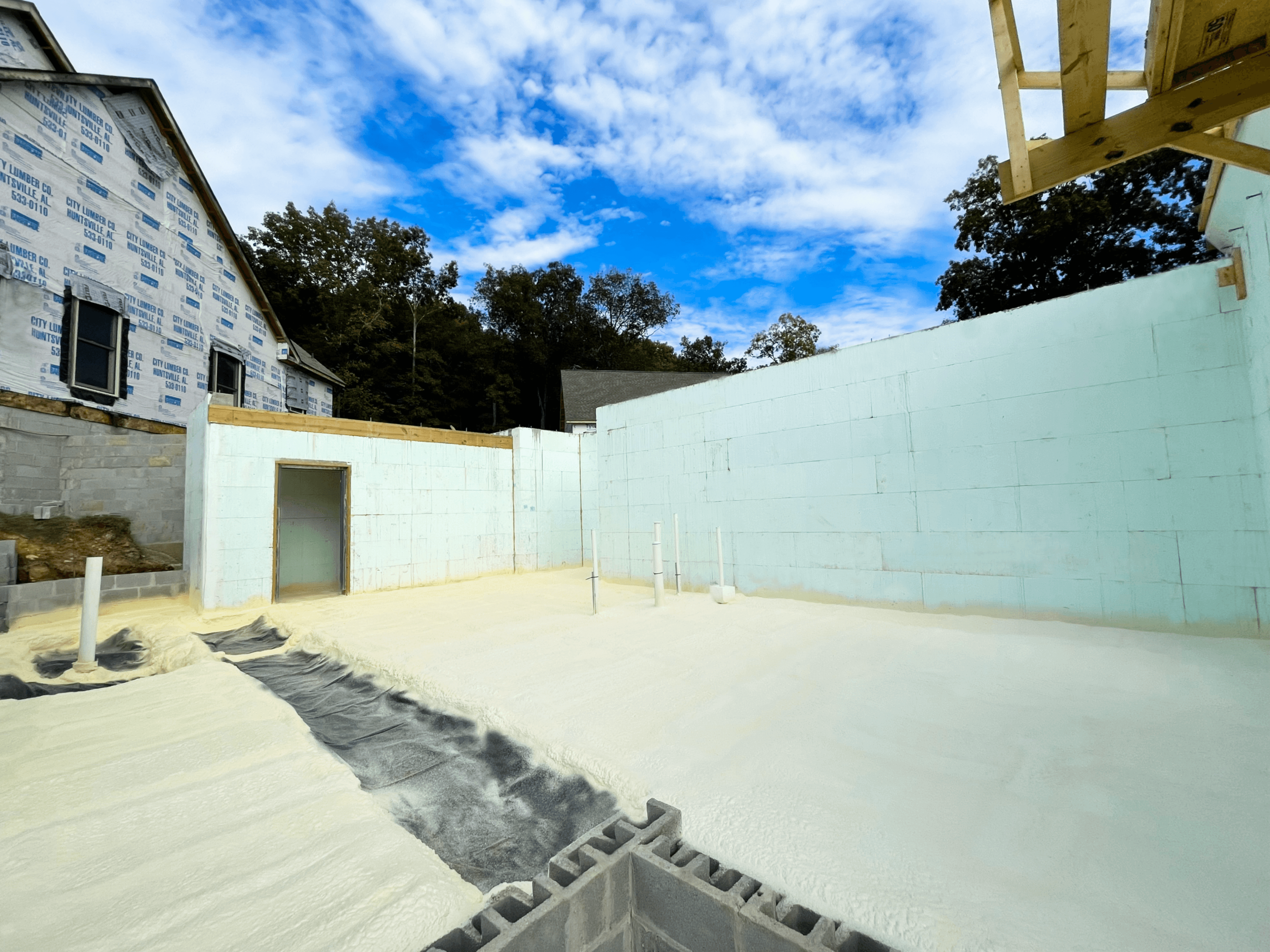
Used below slab or at perimeter edges, spray foam provides a thermal break and limits moisture migration from soil. It enhances energy efficiency and building envelope continuity, ensuring foundation insulation meets or exceeds code requirements.
Used below slab or at perimeter edges, spray foam provides a thermal break and limits moisture migration from soil. It enhances energy efficiency and building envelope continuity, ensuring foundation insulation meets or exceeds code requirements.
Perimeter Slab Insulation
Under-slab Insulation
Foundation Walls & Footings
Measured Performance
Measured Performance
R-Value (per inch)
Air Permeance
Vapor Permeance
Water Resistance
Flame Spread Index
Compressible Strength
Noise Reduction
Open Cell SPF (0.5lb)
Open Cell SPF (0.5lb)
View
4.2
4.2
Impermeable
Impermeable
Permeable
Permeable
None
None
25 | 200 Smoke spread
25 | 200 Smoke spread
Highly compressible
Highly compressible
STC 39
STC 39
Closed Cell SPF (2.0lb)
Closed Cell SPF (2.0lb)
View
7.6
7.6
Impermeable
Impermeable
Semi-impermeable
Semi-impermeable
High
High
25 | 165 Smoke spread
25 | 165 Smoke spread
35 psi
35 psi
STC 28
STC 28
Roofing Foam (3.0lb)
Roofing Foam (3.0lb)
View
6.7
6.7
Impermeable
Impermeable
Impermeable
Impermeable
Waterproof
Waterproof
30 | 500 Smoke spread
30 | 500 Smoke spread
55 psi
55 psi
STC 23
STC 23
R-Value (per inch)
Air Permeance
Vapor Permeance
Water Resistance
Flame Spread Index
Compressible Strength
Noise Reduction
Open Cell SPF (0.5lb)
View
4.2
Impermeable
Permeable
None
25 | 200 Smoke spread
Highly Compressible
STC 39
R-Value (per inch)
Air Permeance
Vapor Permeance
Water Resistance
Flame Spread Index
Compressible Strength
Noise Reduction
Closed Cell SPF (2.0lb)
View
7.6
Impermeable
Semi-Permeable
High
25 | 165 Smoke spread
35 psi
STC 28
R-Value (per inch)
Air Permeance
Vapor Permeance
Water Resistance
Flame Spread Index
Compressible Strength
Noise Reduction
Roofing Foam (3.0lb)
View
6.7
Impermeable
Impermeable
Waterproof
30 | 500 Smoke spread
55 psi
STC 23
Energy & Cost Impact
Energy & Cost Impact
Air leakage is a leading cause of energy loss in construction. Spray foam seals the building envelope at the point of installation, reducing heating and cooling demand while improving comfort. Lower energy use reduces strain on HVAC systems and helps builders deliver predictable, high-performing projects with fewer performance callbacks.
Air leakage is a leading cause of energy loss in construction. Spray foam seals the building envelope at the point of installation, reducing heating and cooling demand while improving comfort. Lower energy use reduces strain on HVAC systems and helps builders deliver predictable, high-performing projects with fewer performance callbacks.
A versatile product for thermal and sound insulation.
A versatile product for thermal and sound insulation.
Use cases for Spray Foam
Use cases for Spray Foam
With some notable contingencies, spray foam is easily the most performant and flexible insulation system on the market today. It provides superior thermal performance, reduces energy bills, and improves indoor air quality by preventing air infiltration and moisture intrusion. Spray Polyurethane Foam (SPF) forms as an exothermic chemical reaction between a polyol resin and a reactant and rapidly expands to fill whatever substrate its sprayed against. This conformance factor creates an airtight seal to eliminate drafts. Spray foam comes in various formulations (density, yield, water-resistance) that are specifically tailored to different residential, commercial and industrial use cases.
With some notable contingencies, spray foam is easily the most performant and flexible insulation system on the market today. It provides superior thermal performance, reduces energy bills, and improves indoor air quality by preventing air infiltration and moisture intrusion. Spray Polyurethane Foam (SPF) forms as an exothermic chemical reaction between a polyol resin and a reactant and rapidly expands to fill whatever substrate its sprayed against. This conformance factor creates an airtight seal to eliminate drafts. Spray foam comes in various formulations (density, yield, water-resistance) that are specifically tailored to different residential, commercial and industrial use cases.
Traditional Insulation
Most commonly produced as semi-rigid batts of varying thicknesses, mineral wool is an excellent choice for insulation in exterior wall cavities and vaulted ceilings.
Exterior Insulation
Available in dense, rigid board insulation (with or without a radiant-barrier foil finish), mineral wool is considered the default choice for exterior insulation assemblies in residential construction.